

Friendly vs. Friends: The Boundary That Protects Workplace Mental Health
Workplace mental health is shaped by more than workload, time‑off, or benefits. It’s shaped by the everyday interactions that define how people relate to one another. One of the most overlooked contributors to stress and burnout is blurred relational boundaries.
When people aren’t sure what the expectations are in their workplace relationships, it becomes harder to stay grounded. Ambiguous roles and unclear boundaries create emotional strain, social pressure, and confusion, all of which quietly drain energy over time.
Building a sustainable work environment isn’t just about managing calendars or practicing self‑care. It’s about developing the daily habit of clarifying the line between being friendly and being friends at work.
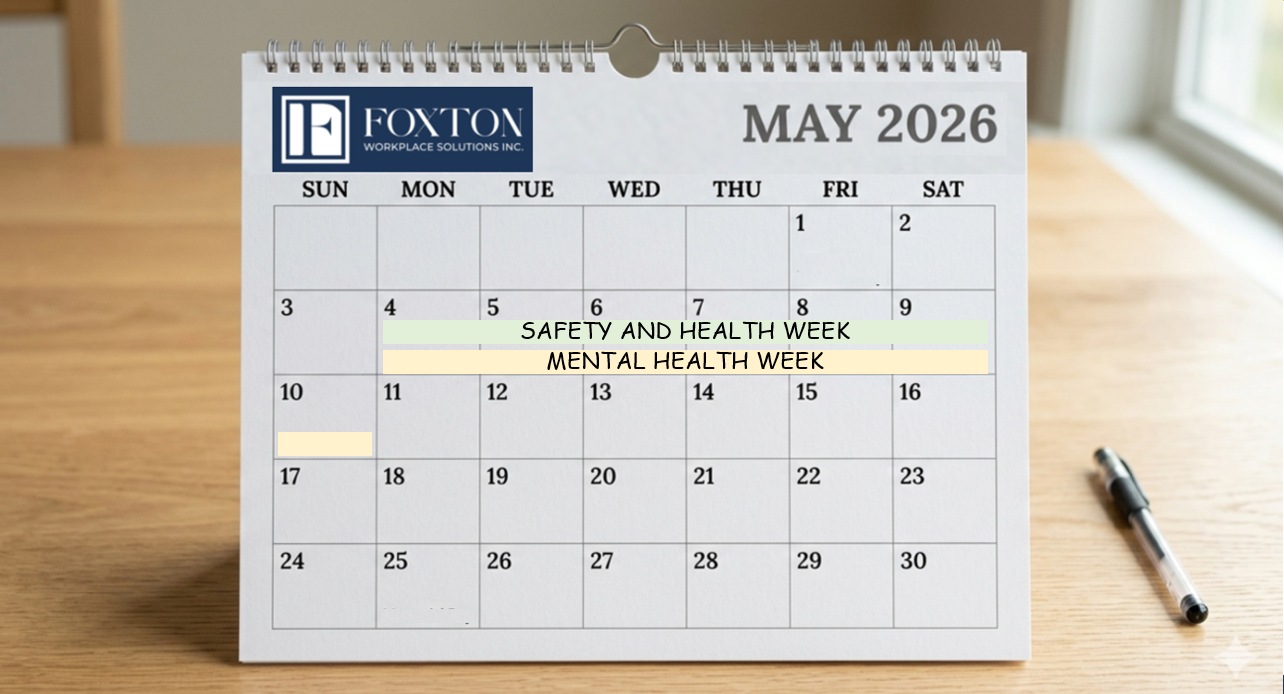
Breaking the Silos: Safety and Health Week and Mental Health Week are Two Sides of the Same Coin
This week marks a unique convergence on our professional calendars: the simultaneous observance of Safety and Health Week and Mental Health Week. While we set aside these seven days for focus, the reality is that we cannot protect the body while neglecting the mind.
Data consistently shows that mental health and physical safety are inseparable. A distracted, burnt-out, or anxious employee is statistically at a higher risk for physical accidents. Conversely, a workplace with poor safety standards fosters chronic stress.
We often focus on gear, gadgets, and guidelines. However, the most sophisticated safety technology in the world is ineffective if it isn't built on a foundation of trust.

Why Strong Policy and Training are the Key to Success
In today's dynamic business environment, hiring talented individuals is only part of the course to success. To unlock their potential, and mitigate risk for your organization, clear expectations need to be established. Robust policy development and comprehensive training are key to establishing clear expectations.

October Is Canada’s Healthy Workplace Month — But What Does “Healthy” Really Mean?
Every October, Canada’s Healthy Workplace Month encourages organizations to reflect on how they support employee well-being. While physical health and ergonomics often take center stage, there’s a deeper layer that’s just as critical — and often overlooked: psychological safety — and the courage to investigate when it’s compromised.